The right operation depends on your symptoms, examination, imaging, activity goals and the condition of the injured tissue. These summaries are a starting point for a personal discussion with Dr. Abouali.
01 / KNEE
ACL reconstruction
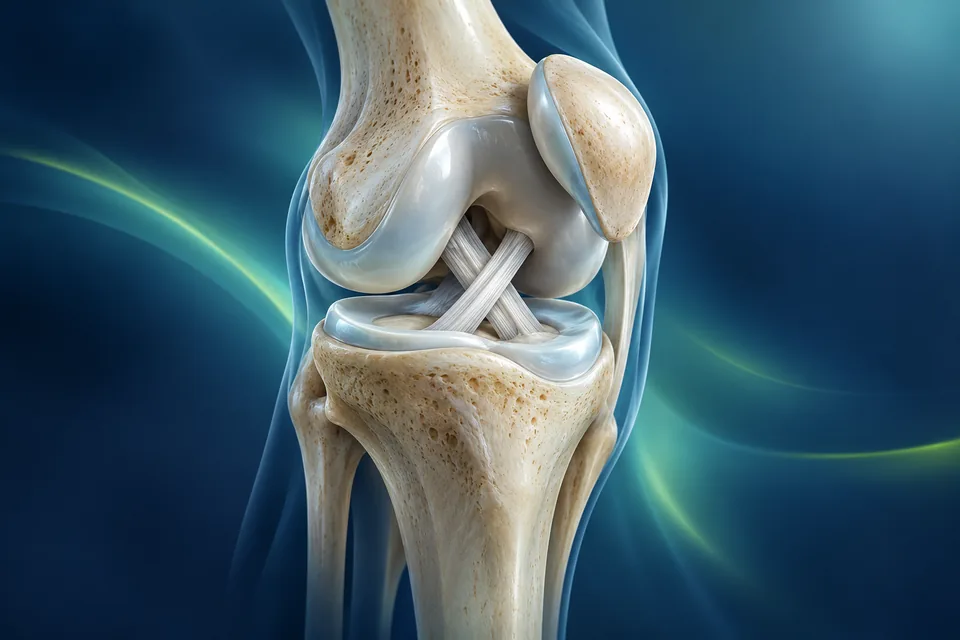
When the anterior cruciate ligament (ACL) is torn and the knee remains unstable, reconstruction replaces it with a graft to restore stability. Dr. Abouali discusses graft choice based on your age, sport, anatomy, previous surgery and priorities.
- Hamstring autograft: uses a tendon from the back of your thigh to create a new ACL; graft choice is tailored to your anatomy and activity goals.
- Patellar tendon autograft: uses the central patellar tendon with small bone blocks. It has long been considered a gold-standard graft option for competitive athletes returning to cutting and pivoting sports.
- Quadriceps tendon autograft: uses a portion of tendon above the kneecap; an option for primary or revision surgery depending on the patient.
- Allograft: uses screened donor tissue and avoids taking a tendon from your own leg, but may carry a higher failure risk in younger or highly active patients.
Rehabilitation focuses on regaining movement, strength and control before a safe return to sport.
02 / KNEE
ACL repair
This evolving approach aims to preserve your own ligament by reattaching it rather than replacing it with a graft. It may be considered for selected recent tears near the ACL’s attachment when tissue quality is suitable. Dr. Abouali has performed among the highest volumes of ACL repairs in Canada and has substantial experience assessing candidates for this procedure.
Repair is not suitable for every tear. Reconstruction remains the better-supported choice for many patients and has a lower revision risk overall; the decision depends on the tear pattern and a careful discussion of the evidence.
03 / KNEE
Pediatric ACL reconstruction
An ACL tear in a child or adolescent requires a plan that considers remaining growth. Dr. Abouali assesses the knee, activity level, associated meniscus or cartilage injuries and growth plates before recommending treatment. When surgery is appropriate, the reconstruction technique and graft are chosen to reduce the risk of growth plate injury while restoring stability.
Follow-up and rehabilitation are tailored to the young athlete and their stage of growth.
04 / KNEE
Meniscal repairs
The meniscus is a shock-absorbing structure in the knee. For a tear with a reasonable chance of healing, arthroscopic repair uses sutures to preserve as much meniscus as possible. The tear’s location, pattern, tissue quality and any accompanying ACL injury influence whether repair is feasible.
A repaired meniscus needs time to heal; weight-bearing and bending restrictions may be part of recovery. Some tears are better treated without surgery or with a different procedure.
05 / KNEE
Cartilage restoration
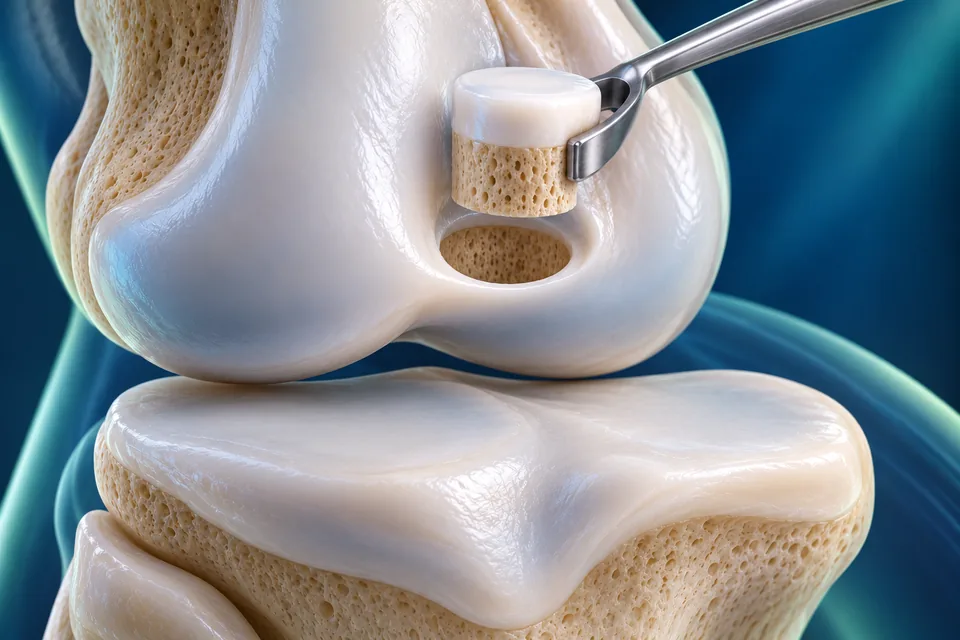
Focal damage to the smooth cartilage covering the knee joint can cause pain, swelling or catching. Depending on the size and location of the defect and the condition of the surrounding joint, restoration may involve a marrow-stimulation technique or transplanting healthy cartilage and underlying bone into the damaged area.
These procedures are generally aimed at selected cartilage defects, not widespread osteoarthritis. The treatment and recovery plan depend on the individual defect.
06 / SHOULDER
Shoulder labral repair for instability
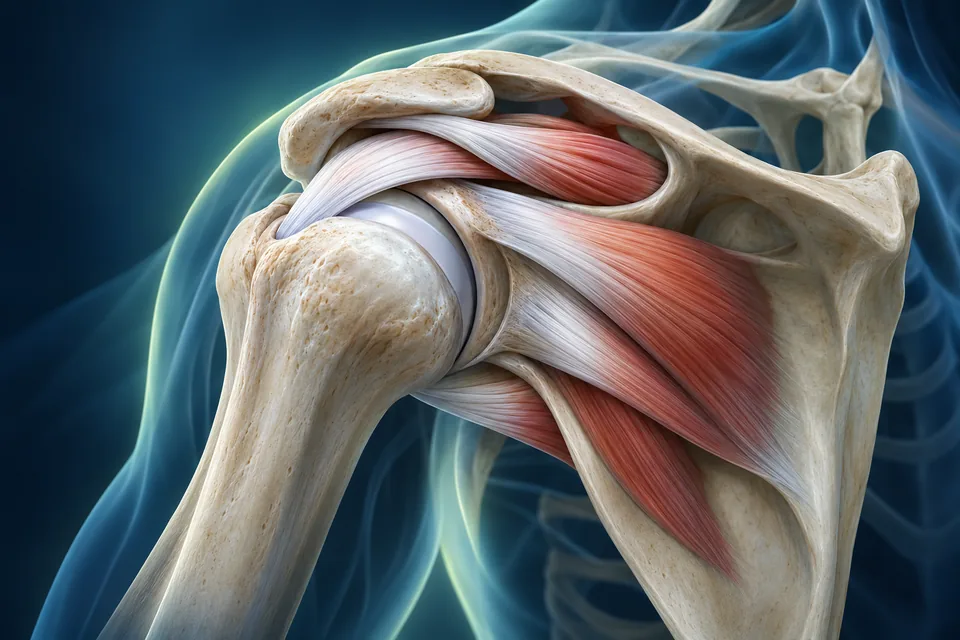
The labrum helps deepen the shoulder socket. A dislocation can tear it and leave the shoulder feeling loose or prone to dislocating again. When repair is appropriate, Dr. Abouali can use arthroscopy, sutures and anchors to reattach the labrum and stabilize the joint.
The pattern of injury, number of dislocations and any bone loss guide whether a labral repair or another stabilization procedure is more suitable. A sling and staged physiotherapy protect the repair.
07 / SHOULDER
Shoulder rotator cuff repair
The rotator cuff is a group of tendons that help lift and rotate the arm. If a symptomatic tear causes persistent pain or weakness, surgery may reattach the torn tendon to bone using sutures and anchors, often through small arthroscopic incisions.
Tear size, tendon quality, symptoms and response to nonsurgical care affect the recommendation. Recovery includes a period of protection followed by guided movement and strengthening.